Challenge
Create a useful institutional presence and demonstrate a team without making a portfolio concept look like an operating clinic.
GCR Studio · Concept project
A healthcare experience built around the questions new patients actually ask — with responsible clinical content, bilingual architecture and transparency about what would still require verification.
Create a useful institutional presence and demonstrate a team without making a portfolio concept look like an operating clinic.
The information architecture was compared with Brazilian and international clinics. The strongest patterns were a clear story and identity, named clinicians, areas of expertise, first-visit guidance, practical information and content that reduces anxiety before contact.
The home introduces the clinic's origin, its clinicians and their expertise first. Treatments, the first consultation, clinical resources and locations follow once institutional trust has been established.
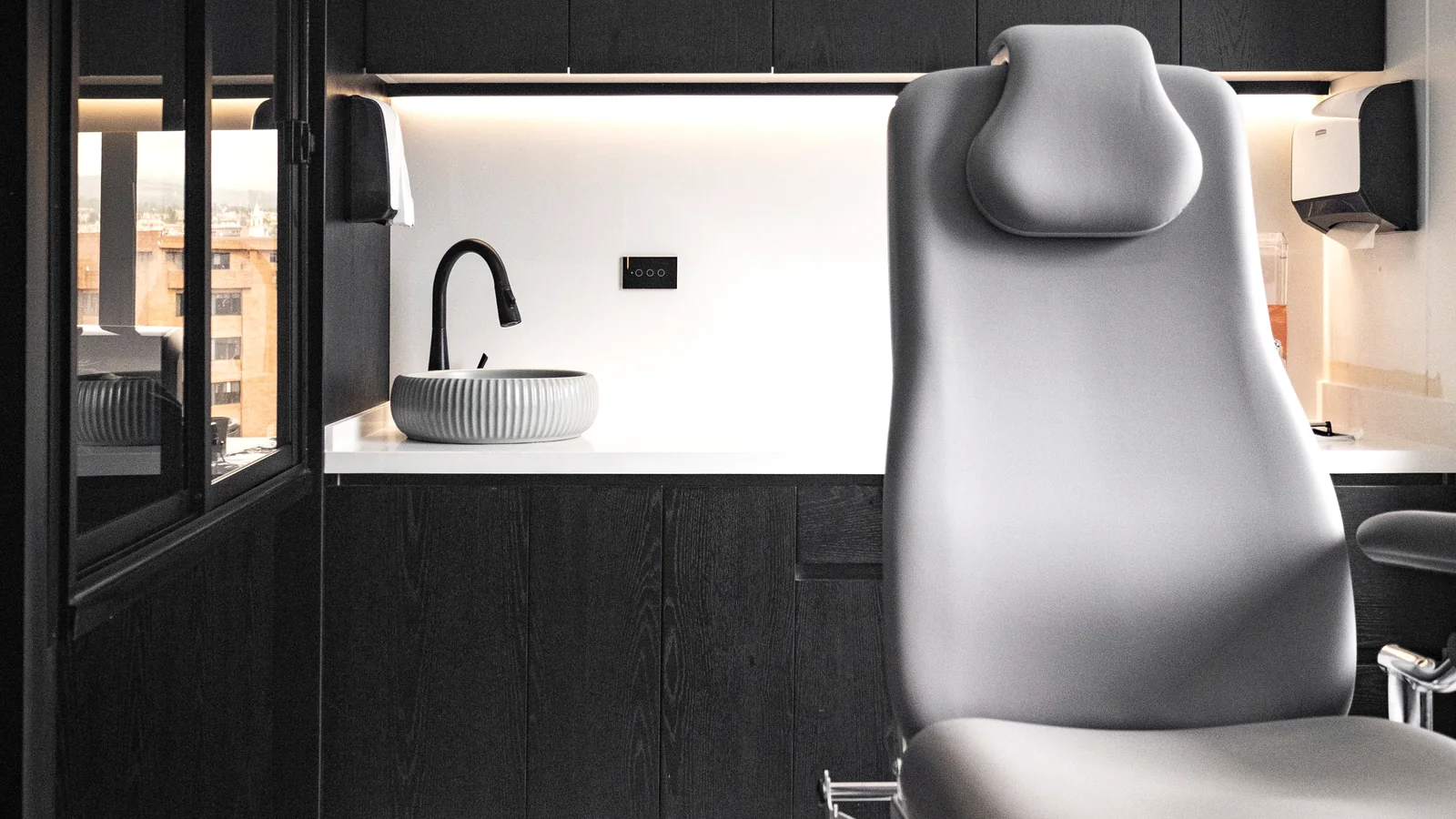
The language avoids abstract manifestos, superlatives and promises. Hierarchy, contrast, professional portraits, photography of spaces and generous breathing room place the concept closer to a contemporary healthcare institution.
Typed content, equivalent routes and context-preserving language switching support both languages. English copy was written to read naturally rather than as a literal translation.
Both profiles and their generated portraits are labelled as fictional in their own section. There are no registration numbers, clinical director, address, testimonials, before-and-after images or invented outcomes, and the planner sends no data.
Semantic hierarchy, visible focus, keyboard support, native dialogs, a skip link, touch targets, contrast and reduced motion inform the implementation.
In a real implementation, concept profiles would be replaced by names, registrations, education, a clinical director and scopes supported by documentation.